Merton Council Rules on Garden Waste: Fines & Permits
Posted on 18/06/2026
Merton Council Rules on Garden Waste: Fines & Permits
If you live in Merton and you've got a wheelbarrow full of hedge cuttings, turf, or a soggy pile of pruned branches after a weekend tidy-up, the rules can feel oddly complicated. Can you leave it out? Do you need a permit? What actually counts as garden waste, and when do fines come into play? This guide on Merton Council Rules on Garden Waste: Fines & Permits breaks it down in plain English, with practical steps you can use straight away. It's written for homeowners, landlords, tenants, and anyone trying to avoid a messy mistake that turns into a penalty.
We'll cover what the rules generally mean in practice, how garden waste is usually handled, where people trip up, and how to choose the cleanest, safest route for disposal. If you want a more hands-on solution later, you can also explore garden waste removal in Merton or broader waste removal in Merton options.
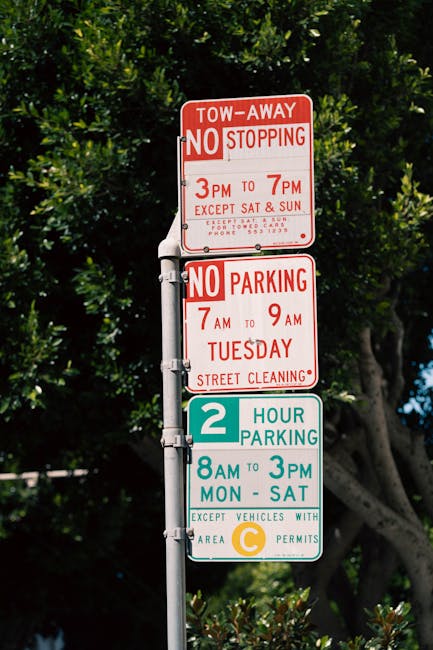
Why Merton Council Rules on Garden Waste: Fines & Permits Matters
Garden waste sounds harmless enough. Leaves, grass, small branches, a few weeds after a rainy afternoon. But the moment it's left in the wrong place, in the wrong bag, or at the wrong time, it can become a real issue. That's why the rules matter. They protect pavements, stop pests, reduce fly-tipping, and help keep collection teams and neighbours safe.
In residential streets across Merton, especially where front gardens are small and parking is tight, one person's "I'll sort it tomorrow" can become everyone else's problem by morning. You'll see it most clearly after a burst of spring pruning or a late summer cutback. The bins fill quickly. The smell starts. Bags split. And suddenly there's a complaint on the street. Not ideal.
The practical reason for understanding the rules is simple: garden waste is one of the most commonly mishandled household waste streams. People assume it can go into any bin, or that a neighbour's skip is fair game, or that a pile beside the kerb is fine if it's "just green stuff". Usually, that's where fines, warnings, or removal costs show up.
There's also a money angle. Following the correct route can save you from paying twice: once for a rushed clean-up, and again if you have to clear up after enforcement action. If you're comparing possible solutions, it helps to read the practical breakdown in who pays for bulky waste in Merton: council vs private even though garden waste is a different category. The same decision-making logic often applies.
Quick takeaway: If your garden waste is bulky, frequent, or awkward to move, it is usually cheaper and safer to plan disposal properly than to hope it will disappear on its own. Hope is not a disposal method. Annoyingly.
How Merton Council Rules on Garden Waste: Fines & Permits Works
At a practical level, council rules around garden waste usually revolve around three things: where the waste is placed, whether it's presented correctly, and whether any extra permission is needed for containers or access equipment. The exact details can vary depending on the situation, but the framework is usually consistent.
1. What counts as garden waste?
Garden waste generally includes grass cuttings, hedge trimmings, leaves, small prunings, weeds, plant matter, and similar organic material from routine garden maintenance. It does not usually mean soil, rubble, broken fencing, timber treated with chemicals, or household rubbish mixed in with plant waste. That mixed bag approach is where people get caught out.
A neat sack of clean branches is one thing. A black bag full of weeds, old compost, broken plant pots, and bits of plastic netting is another. To be fair, it may all have come from the garden, but that doesn't make it all garden waste in the council's eyes.
2. How should it be stored or presented?
Garden waste should normally be kept contained, tidy, and in a form that does not create a nuisance. In plain language, that means no loose piles on the pavement, no bags obstructing pedestrians, and no blocking driveways or shared access routes. If a collection service is being used, the waste normally needs to be placed exactly as instructed.
That matters because obstructions can become a public safety problem quickly. Think of a narrow Merton pavement on a damp evening with a pram, a dog lead, and a bag of hedge cuttings leaking twigs everywhere. It only takes one moment to create a complaint.
3. When does a permit come into play?
People often use the word "permit" loosely. In this context, it may relate to permission for placing a container, skip, or similar item on public land, or for carrying out a collection in a way that affects the highway. It is not always required, but when it is, it matters. A permit is not a formality to ignore and sort later.
If you are arranging larger clearance work alongside gardening, it can also overlap with contractor access, parking, and safety planning. That's why services such as services overview and insurance and safety guidance are worth looking at if you want the wider operational picture.
4. Where do fines usually happen?
Fines generally follow one of a few situations:
- Waste is dumped or left in a place that blocks the street or footway.
- Garden waste is presented badly and creates a nuisance.
- Waste is mixed with materials that do not belong in the same stream.
- Someone uses a public area without the right permission.
- Material is fly-tipped rather than disposed of properly.
Sometimes the issue starts as a simple mistake. Other times it's more deliberate. Either way, enforcement usually cares less about the story and more about the condition of the waste and the risk it creates.
5. What about shared houses, flats, or HMOs?
This is where things get a little messy. In shared homes, the person who created the waste is not always the only one affected. Communal bins can fill up faster, and garden maintenance responsibilities may sit with a landlord, managing agent, or residents' agreement. If the waste appears in a shared space, everyone can end up arguing over who was meant to deal with it. Not fun. Not rare either.
Key Benefits and Practical Advantages
Understanding the local rules is not just about avoiding trouble. It has a few everyday benefits that save time, money, and energy. And yes, less stress counts as a benefit too.
- Cleaner kerb appeal: tidy garden waste management keeps homes looking cared for, which matters in streets where properties sit close together.
- Lower risk of complaints: neighbours are far less likely to report blocked paths, smells, or stray debris.
- Reduced chance of fines: correct presentation and proper disposal lower the risk of enforcement.
- Better recycling outcomes: clean green waste is easier to treat or compost than contaminated waste.
- Faster clear-ups: when waste is sorted correctly, removal is usually quicker and less frustrating.
There's a practical comfort in doing it right the first time. You finish the garden job, stand back, and the place feels done. The air smells a bit fresher. The paving looks better. That small sense of order is oddly satisfying, honestly.
If the job has turned into more than a few bags of clippings, you may want to compare dedicated help such as garden waste removal Merton with a broader rubbish collection route like rubbish clearance in Merton. One is more specialised, the other more flexible.
Who This Is For and When It Makes Sense
This topic matters to more people than you might think. If you have a garden, even a modest one, you're in the group. But the pressure is different depending on your property and your routine.
Homeowners with regular garden maintenance
If you trim hedges in bursts, clear leaves in autumn, or cut back overgrowth every few weeks, you'll want a simple disposal plan. The bigger the garden, the faster waste accumulates. That's especially true after stormy weather, when branches and leaves collect overnight and look twice as much as they really are.
Tenants and flat residents with communal outdoor space
Shared gardens can be awkward. One person leaves cuttings behind, another assumes the managing agent will remove them, and a third person quietly moves the bags near the bins. The result? Confusion. A quick check of responsibilities is always worthwhile before you start dragging stuff outside.
Landlords and property managers
If you manage rental property, you need to think about both compliance and presentation. Overgrown gardens can hurt tenant satisfaction and attract complaints. Clear expectations help: who cuts, who clears, who removes. It sounds obvious, but it often isn't until the waste starts stacking up.
People preparing for a sale or letting
Garden waste tends to become more visible when a home is being photographed or viewed. A tidy exterior can make a property feel cared for, which ties nicely into nearby topics like Merton property market trends and investing in Merton real estate. First impressions matter. Annoying but true.
Anyone doing a one-off seasonal clean-up
Spring and early autumn are the big moments. You go out expecting a light tidy, then ten minutes later you have a mountain of clippings, roots, and half a forgotten flower bed. That is often the point where a private collection becomes more sensible than trying to squeeze everything into normal household bins.
Step-by-Step Guidance
If you want a clean, low-stress way to handle garden waste in Merton, follow this practical sequence. It is straightforward, but it saves mistakes.
- Identify the waste type. Separate green waste from soil, rubble, treated wood, pots, plastics, and general rubbish.
- Check the volume. A few bags may fit your usual routine; larger loads may need a dedicated collection or permitted container.
- Decide where it will go. Keep it on private property if possible until it is ready for collection or removal.
- Look at access. If anything needs to be placed on the road or pavement, check whether permission is needed.
- Bag or bundle properly. Use sensible, manageable packaging. Do not overfill bags just to save one trip.
- Keep it separate. Contamination can turn a simple garden job into a mixed-waste job very quickly.
- Choose a disposal route. Use the council route if eligible and suitable, or arrange a private clearance if speed and volume matter.
- Keep proof where useful. Photos, booking confirmations, or written instructions can help if there is ever a query.
A practical example: if you prune a large hedge along the front boundary of a Victorian terrace, you may end up with branches too bulky for bags. Instead of leaving them on the pavement "just for a minute", cut and bundle them neatly or arrange removal promptly. That small bit of discipline can save you from a complaint before breakfast.
Expert Tips for Better Results
Here's the part people usually wish they knew earlier.
- Keep green waste clean. The less contamination, the easier and cheaper disposal tends to be.
- Work in stages. If you're doing a heavy cut-back, clear as you go. Big heaps become awkward fast.
- Don't rely on "temporary" kerb storage. What feels temporary to you may look abandoned to everyone else.
- Use dry weather if you can. Wet waste is heavier, messier, and more likely to split bags.
- Separate bulky garden items early. Old sleepers, broken fencing, and planters are not green waste.
- Plan for the finish. The last 10% of a garden job is often the most visible. Don't leave it half-done.
If the waste is awkward, mixed, or simply too much, a specialist service can be the calmer option. You can also explore pricing and quotes if you're comparing costs before you commit.
One small but useful habit: take a quick photo of the cleared area after you've finished. If there's ever confusion about whether waste was left behind, you've got a simple record. Old-school, yes. Handy, absolutely.

Common Mistakes to Avoid
Most problems come from a handful of repeat mistakes. The good news? They're easy to avoid once you know them.
Mixing garden waste with general rubbish
This is the big one. Food packaging, broken tools, plastic plant trays, and soil mixed into green waste can cause collection issues. Keep streams separate unless you've confirmed otherwise.
Leaving bags where people walk
A path is for walking, not for testing everyone's patience. Even one bag can create a trip hazard or block access for pushchairs and wheelchairs.
Assuming every branch is fine
Long branches, thick trunks, and rooted stumps often need a different route from leaves and clippings. Don't treat everything as if it's the same job.
Ignoring permit needs
If you need to place something on the public highway, don't assume it's automatically allowed. That assumption gets expensive. Fast.
Waiting until the pile becomes unmanageable
A small weekly tidy is easier than a massive, once-a-season rescue mission. We've all done the "I'll sort that later" thing. It rarely helps.
Using the wrong container
Thin bags tear. Overfilled bags split. Open piles blow away. None of those are a great look when the wind picks up along a busy road.
Tools, Resources and Recommendations
You do not need a shed full of specialist gear to manage garden waste properly, but a few basic items make life much easier.
- Heavy-duty garden sacks: better for clippings and leaves than thin household bags.
- Gloves and a rake: simple, obvious, and worth having.
- Securing ties or string: useful for bundling branches neatly.
- Wheelbarrow or tub: helps move heavier loads without repeated lifting.
- Measuring tape or rough volume check: handy if you need to estimate the size of a collection.
- Camera on your phone: for a quick before-and-after record.
For people who want a managed service rather than a DIY disposal routine, it can help to review service options and about us so you understand what kind of support is offered and how jobs are handled. If your waste is part of a larger clearance, related pages like house clearance in Merton or builders waste disposal in Merton may also be relevant because mixed jobs often overlap.
Law, Compliance, Standards, or Best Practice
Without pretending every case is identical, the safest way to think about garden waste is this: if you place waste in a way that causes obstruction, nuisance, or unlawful disposal, you may be liable for enforcement action. Councils generally care about public amenity, access, and environmental cleanliness. That's the broad principle.
Best practice is simple and sensible:
- Keep waste on private land until collection where possible.
- Use the proper route for bulky or unusual items.
- Do not dump green waste in alleys, on verges, or beside communal bins unless specifically allowed.
- Respect any local instructions on set-out times or container use.
- Never hand waste to an unverified collector if you cannot be sure it will be handled lawfully.
This is also where proper waste carrier standards matter in real life. If you use a private service, you want one that handles waste responsibly, keeps records, and operates with care. If you are unsure, ask questions before the job starts. A reputable provider won't mind that at all.
For people who value safer, more responsible disposal choices, the site's recycling and sustainability page is a useful place to start. It helps frame the bigger picture: not just moving waste, but moving it in a way that reduces harm.
Options, Methods, or Comparison Table
Garden waste in Merton usually ends up being dealt with in one of three ways. Each has its place. The best choice depends on volume, urgency, access, and how much lifting you want to do yourself.
| Method | Best for | Pros | Watch-outs |
|---|---|---|---|
| Keep and store for scheduled disposal | Small, occasional cuttings | Low cost, simple, predictable | Needs space and good bin discipline |
| Council route or local collection rules | Households that fit the service pattern | Structured and familiar for many residents | May have limits on type, volume, timing, or presentation |
| Private garden waste removal | Large, mixed, urgent, or awkward loads | Fast, flexible, less hassle | Usually costs more than doing it yourself |
If your garden job is small, the simplest route is often best. If you've just cleared a long hedge, prised out old roots, and discovered a forgotten pile of timber under the shed, you're probably past the "simple" stage. At that point, a flexible collection can be worth its weight in time saved.
For readers comparing service levels, same-day rubbish removal in Merton may be useful if the situation is urgent, while rubbish clearance in Merton covers broader jobs beyond just the garden.
Case Study or Real-World Example
Here's a realistic example from an ordinary suburban garden, nothing dramatic. A homeowner in Merton spent a Saturday morning trimming back an overgrown privet hedge, clearing a corner bed, and removing dead branches after winter. At first, it looked like two bags of waste. By lunchtime, it was more like six bags, a bundle of sticks, a bag of roots, and some old compost sacks that had been hidden behind the shed for who-knows-how-long.
The first instinct was to leave everything near the front path and deal with it later. That would have been the easy route, but not the clean one. Instead, the waste was separated: green clippings in sacks, thicker branches bundled together, and the old plastic bags removed from the pile. Because the street was narrow and parking was tight, the homeowner chose a collection option rather than trying to place anything on the pavement for long.
The result? The garden looked finished, the path stayed clear, and there was no awkward morning where someone had to move a soggy pile before the bins went out. Simple, but effective. A small job, done properly, rarely becomes a bigger problem later.
Practical Checklist
Use this checklist before you leave garden waste outside or book a collection.
- Have I separated green waste from non-green waste?
- Are any items too bulky, heavy, or mixed for normal disposal?
- Will anything block a path, doorway, driveway, or pavement?
- Do I need permission or a permit for anything placed on public land?
- Have I checked the collection instructions carefully?
- Are the bags strong enough and not overfilled?
- Have I removed sharp, awkward, or hazardous pieces?
- Do I need a same-day or scheduled removal option?
- Would a broader clearance service be easier than a garden-only job?
- Have I taken a quick photo for my own record?
If you can tick most of those off, you're in good shape. If several are unanswered, pause and sort the plan first. That tiny bit of prep can save a lot of bother later.
Get a free quote today and see how much you can save.
Conclusion
Garden waste may seem like the easiest thing in the world to throw aside, but in a place like Merton, the rules around it exist for good reason. They keep streets tidy, protect access, reduce nuisance, and help prevent avoidable fines. Once you understand the basics, the whole process gets much simpler.
The main thing to remember is this: keep waste separate, keep it contained, and keep it where it belongs until it is ready to go. If your load is larger, mixed, or time-sensitive, use the route that gives you the least stress and the clearest compliance. That's usually the smarter move, even if it takes a little more planning upfront.
And if you're standing in the garden right now with muddy gloves, a half-filled bag, and a suspiciously ambitious pile still waiting in the corner, take a breath. One step at a time. It'll get sorted.

From a young age, Blair has cultivated a passion for order, which has now matured into a prosperous profession as a waste removal specialist. She derives satisfaction from transforming disorderly spaces into practical ones, aiding clients in conquering the burden of clutter.
 Tipper Van - Waste Disposal and Rubbish Clearance Prices in Merton, SW19
 Luton Van - Waste Disposal and Rubbish Clearance Prices in Merton, SW19